
Introduction to DMARC

Are we missing the Point?
The concept of email phishing
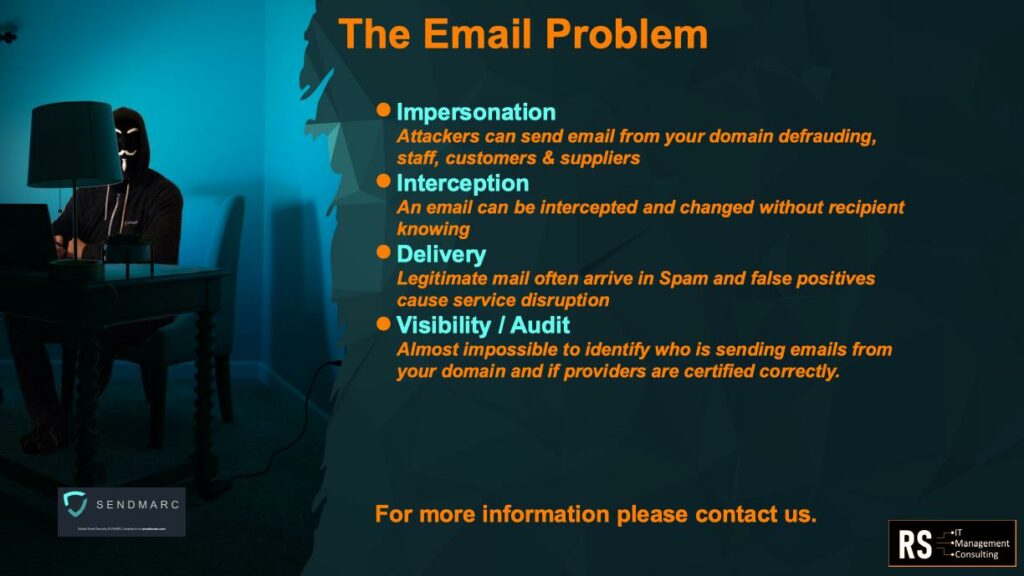
Fraudulent emails sent by someone pretending to be legitimate in order to trick you into divulging personal details like banking details or passwords is nothing new. But despite how familiar we become with the concept, email phishing continues to be on the increase with each passing year.
Changing human behaviour
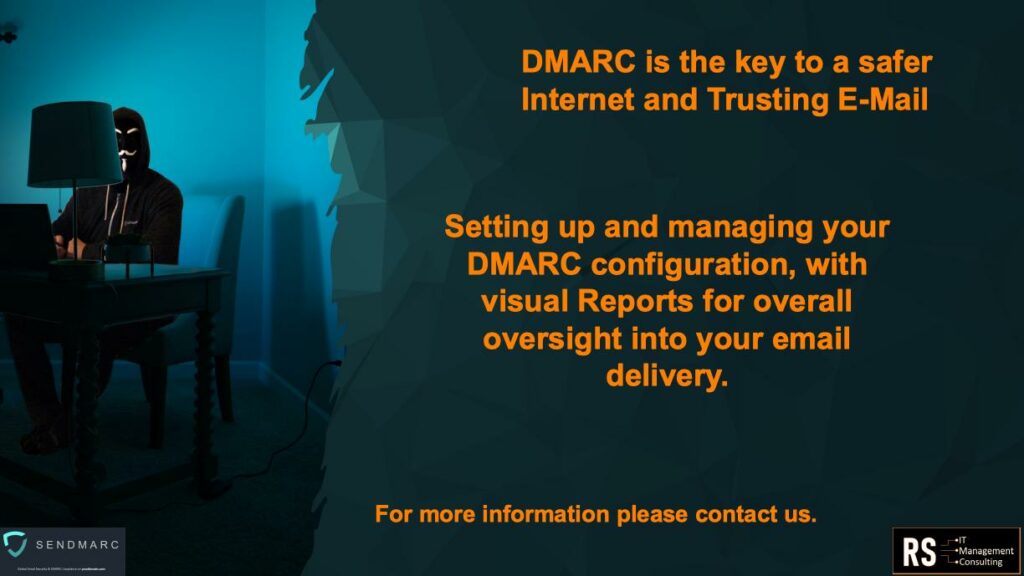
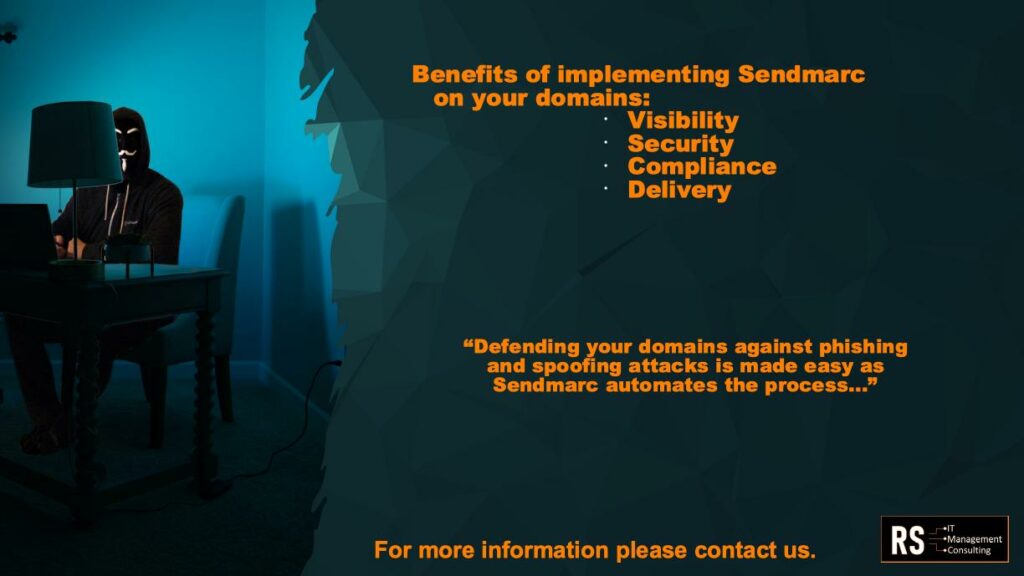
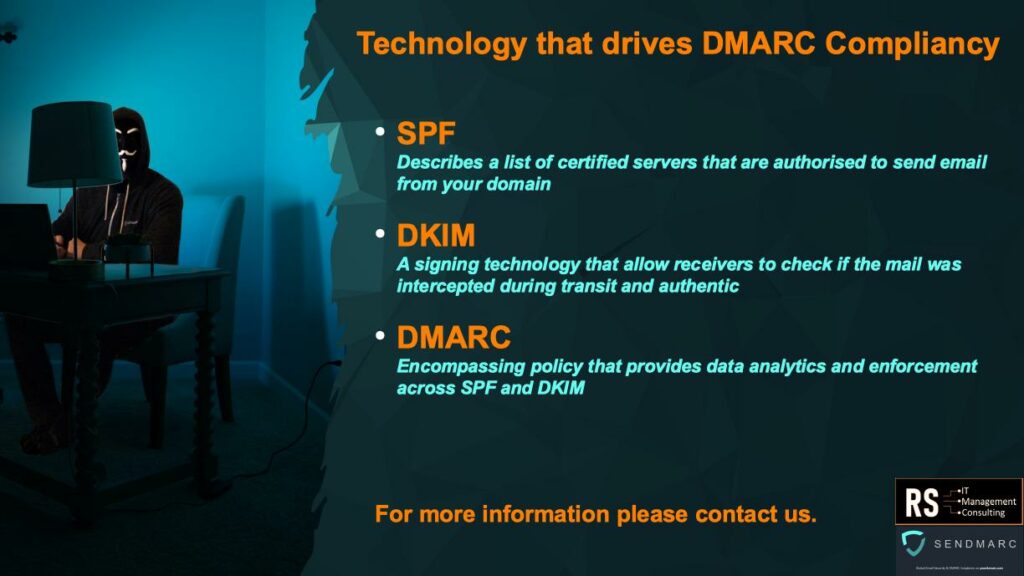
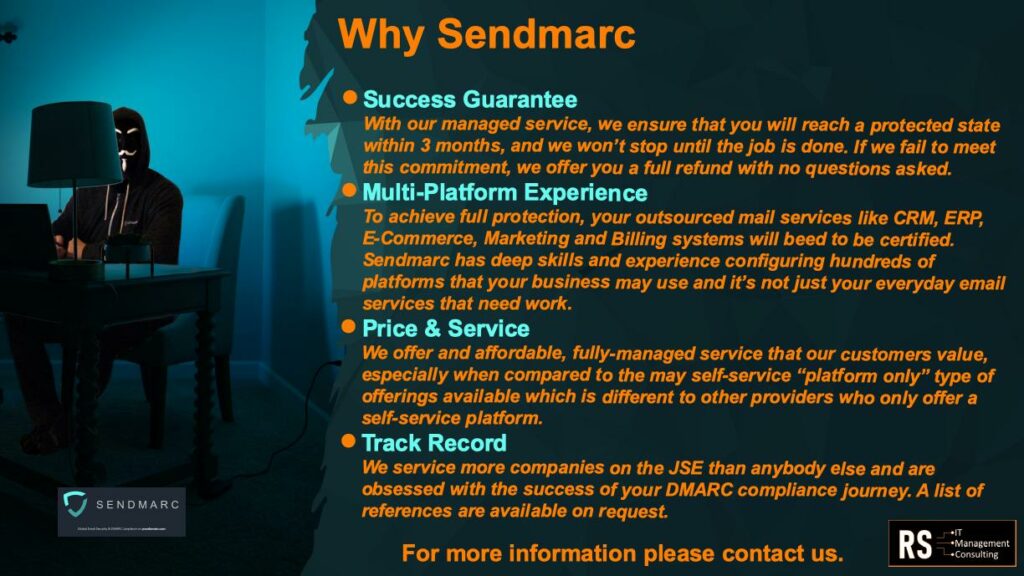
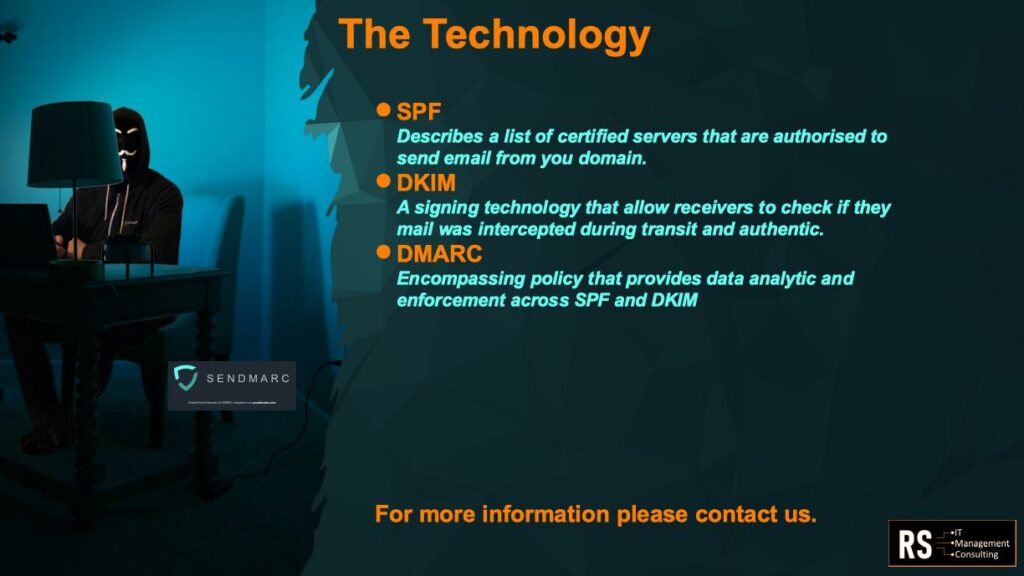
As we outlined in our post on preventing phishing emails, many businesses don’t realise that there are technical solutions such as DMARC that can prevent fraudulent emails being sent from their domains in the first place. If this is done properly, then educating employees about potential spoof emails becomes a secondary priority.
Risk to your Business
Whether you’re an SME or a large multinational company, the risks of being victim to a phishing attack have never been higher, as criminals – and technology – become more sophisticated.
Do I need DMARC?
If you use any of the major email providers, chances are you also have in place an anti-spam tool – such as Office 365 Exchange Online Protection, SYNAQ Securemail or Symantec Mail Security.